
TBHQ
Biological Impact & Mechanism
Immune System Modulation: Research, including studies by the Environmental Working Group (EWG), suggests that TBHQ can impair the body's immune response, specifically affecting the way T-cells interact with viruses like the flu.
Genotoxicity: High-dose exposure has been shown to cause chromosomal aberrations in human cells, indicating a risk for DNA breakage and mutation.
Oxidative Stress Paradox: While it prevents oxidation outside the body, once metabolized, it can produce metabolites that generate reactive oxygen species (ROS), causing internal cellular stress.
Liver Enzyme Induction: TBHQ induces the production of Phase II detoxification enzymes in the liver, which, while appearing protective, can interfere with the metabolism of other nutrients or medications.
Hexane Impact & Precautions
TBHQ is often used in conjunction with oils that have been hexane-extracted.
- The Solvent Connection: Most soybean and canola oils (the primary carriers for TBHQ) are extracted using hexane, a petroleum derivative.
- Chemical Synergy: The heavy processing required to remove hexane from oil often strips away natural antioxidants (like Vitamin E), creating a "stability vacuum" that manufacturers then fill with synthetic TBHQ. This results in a final product that is twice-removed from its natural state—first by solvent extraction and second by synthetic stabilization.
Historical & Common Use
TBHQ was developed in the mid-20th century as the food industry transitioned away from animal fats (like lard) to more unstable vegetable oils. It gained widespread regulatory approval in the early 1970s. Since then, it has become the "gold standard" for stability in the fast-food industry, particularly in deep-fryer vats where oil is reused for multiple days.
Consumer Sentiments
Consumer Reports of Health Effects and Symptoms
Consumers who are sensitive to synthetic antioxidants often report:
Vision Issues: Reports of temporary blurred vision or "spots" after consuming high concentrations (often found in fast food).
Dermatological Reactions: Skin rashes, dermatitis, and hives.
Neurological: Nausea, ringing in the ears (tinnitus), and a sense of "restlessness" or anxiety.
Digestive: Gastric upset and a metallic aftertaste.
FDA & Other Regulatory Authorities
FDA (USA): Classified as safe for use as a food antioxidant. As of 2026, the FDA limit remains at $0.02\%$ of the fat or oil content of the food.
EFSA (EU): Permitted as E319. In 2004, EFSA established an Acceptable Daily Intake (ADI) of $0.7$ mg/kg of body weight. However, they continue to face pressure to lower this limit based on newer immunological studies.
WHO Western Pacific: JECFA (the joint FAO/WHO committee) maintains the ADI of $0.7$ mg/kg. In the Western Pacific region, regulatory scrutiny is higher in countries like Japan, which has historically had stricter oversight on synthetic phenolic antioxidants.
USDA: Restricts the use of TBHQ in organic-certified products; however, it is commonly found in conventional meat products that use "oil-based" seasonings or marinades.
The PurePath™ Standard Swap
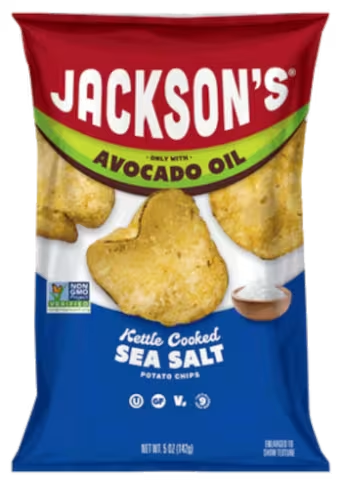
Jackson's Sea Salt Avocado Oil Potato Chips
Avocado Oil Sea Salt