
Soybean Oil
Biological Impact & Mechanism
Genetic Signaling: Recent neurological studies (specifically on murine models) suggest that soybean oil consumption can impact the hypothalamus, altering the expression of genes related to oxytocin, weight regulation, and stress response.
Lipid Peroxidation: Due to its high polyunsaturated fat content, soybean oil is highly unstable. When exposed to heat, light, or oxygen, it creates toxic oxidation products (HNE and aldehydes) that can damage DNA and mitochondrial function.
Adipose Tissue Composition: The linoleic acid from soybean oil is directly incorporated into human fat stores; the concentration of linoleic acid in American body fat has doubled since the 1960s, which is correlated with increased rates of metabolic dysfunction.
Historical & Common Use
Prior to the 20th century, soybean oil was virtually non-existent in the Western diet. It was used in Asia for thousands of years, but primarily after being fermented (as miso or soy sauce) or consumed as whole beans. Its rise in the West began in the 1940s as a wartime substitute for other fats. By the 1960s, it became the dominant oil in the U.S. food supply, fueled by government subsidies and the "Diet-Heart Hypothesis" that demonized saturated animal fats.
Consumer Sentiments
Consumer Reports of Health Effects and Symptoms
Consumers who eliminate soybean oil often report:
Reduced "Puffiness": Notable reduction in systemic water retention and facial swelling.
Mental Clarity: Improvements in "brain fog," potentially linked to reduced neuro-inflammation.
Improved Digestion: Reduction in the "greasy" or "heavy" feeling associated with restaurant-fried foods.
FDA & Other Regulatory Authorities
FDA (USA): Classified as GRAS (Generally Recognized As Safe). As of 2017, the FDA approved a "Qualified Health Claim" for soybean oil, stating that it may reduce the risk of coronary heart disease when replacing saturated fat.
USDA: Soybeans are one of the most heavily subsidized crops in the U.S. (averaging over $1 billion annually). As of 2026, the USDA continues to facilitate its use as a primary commodity in national food programs.
EFSA (EU): Permitted for use. However, the EU has stricter labeling requirements for GMO-derived products, meaning soybean oil in Europe is more likely to be non-GMO compared to the U.S. supply.
WHO Western Pacific: In its 2023 updated fat intake guidelines, the WHO emphasizes a balance of fats but specifically warns against the high consumption of refined vegetable oils in the context of rising NCDs (Non-Communicable Diseases) in the Western Pacific region.
The PurePath™ Standard Swap

Simple Mills Sea Salt Almond Flour Crackers
Nut and Seed Flour Blend Tapioca Starch Cassava Flour Organic Sunflower Oil Rosemary Extract
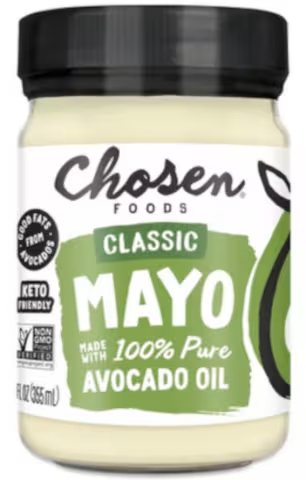
Chosen Foods Avocado Oil Mayo
Avocado Oil Organic Whole Eggs Organic Distilled White Vinegar Organic Mustard Rosemary Extract
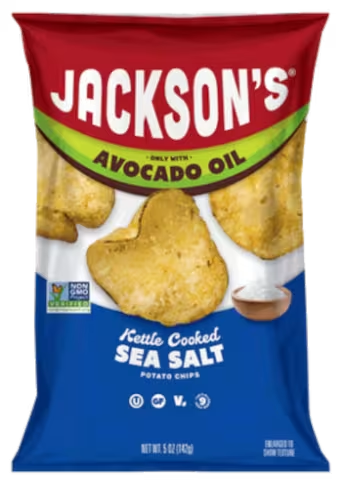
Jackson's Sea Salt Avocado Oil Potato Chips
Avocado Oil Sea Salt