
Sodium Metabisulfite
Biological Impact & Mechanism
Respiratory Distress: Inhalation or ingestion can trigger bronchoconstriction in sulfite-sensitive individuals, leading to wheezing, chest tightness, and severe asthma attacks.
Thiamine (B1) Destruction: Sulfites chemically cleave the thiamine molecule, rendering it biologically inactive. Chronic consumption of sulfite-heavy foods can contribute to sub-clinical B1 deficiency.
Gastrointestinal Inflammation: It can irritate the gastric mucosa, leading to abdominal pain or discomfort in those with sensitive digestive tracts.
Microbiome Interference: As a potent antimicrobial, it does not distinguish between "bad" spoilage bacteria and beneficial gut flora, potentially leading to dysbiosis with chronic exposure.
Processing & potential Hexane Impact
Low Direct Hexane Risk: This is an inorganic salt typically produced by the reaction of sulfur dioxide with sodium bisulfite solution; hexane is not part of the standard synthesis.
Safety Precaution: The primary precaution is Avoidance for Asthmatics. If you have any history of respiratory sensitivity, this ingredient should be strictly avoided. For others, it is a marker of "High Processing" that typically signals a nutritionally depleted food.
Chemical Synthesis: Produced by saturating a solution of sodium hydroxide with sulfur dioxide gas.
Concern Factor: Purity and Heavy Metals: Depending on the source of the sulfur dioxide (often a byproduct of smelting or fossil fuel processing), trace heavy metal contamination (like lead or arsenic) can be a factor if the chemical is not food-grade certified.
Reactive Nature: Because it is highly reactive, it can form secondary compounds within the food matrix that are not fully understood regarding long-term human metabolic impact.
Historical & Common Use
Sulfites have been used since Roman times (primarily by burning sulfur to sanitize wine vessels). However, the industrial synthesis of Sodium Metabisulfite became standard in the mid-20th century to support the rise of global shipping for dried fruits and the automation of large-scale commercial bakeries (specifically for thin-crust pizzas and tortillas).
Consumer Sentiments
Consumer Reports of Health Effects and Symptoms
Consumers frequently report a "Sulfite Sensitivity" profile including:
Tightness in the Throat: A sensation of constriction or difficulty swallowing.
Sinus Congestion: Immediate "stuffiness" or sneezing after ingestion.
Headaches: Throbbing migraines, often attributed to the chemical's impact on vascular dilation.
Skin Flushing: Redness or hives on the face and neck.
FDA & Other Regulatory Authorities
FDA (USA): Classified as GRAS (Generally Recognized as Safe) except for use on "fresh" fruits and vegetables intended to be served raw (e.g., salad bars), where it was banned in 1986 following several deaths. Labels MUST declare sulfites if they exceed 10 ppm.
EFSA (Europe): Re-evaluated in 2016. While authorized (E223), the panel noted that the current Acceptable Daily Intake (ADI) of 0.7 mg/kg of body weight may be easily exceeded by the general population.
WHO: Recognizes the high allergenic potential and recommends strict labeling and concentration limits globally.
The PurePath™ Standard Swap
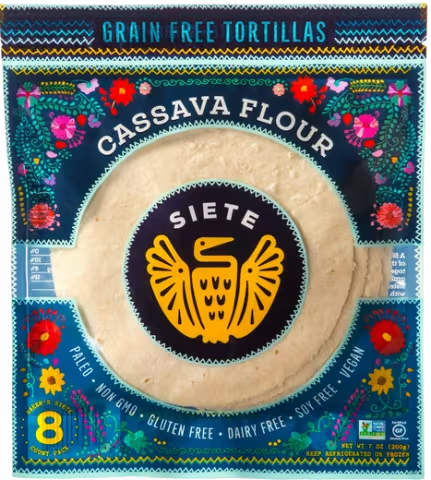
Siete Cassava Flour Tortillas
Cassava Flour Coconut Flour Coconut Oil Apple Cider Vinegar Sea Salt