
High Fructose Corn Syrup
Biological Impact & Mechanism
Hepatic Lipogenesis: Excess fructose is converted directly into triglycerides in the liver, contributing to Non-Alcoholic Fatty Liver Disease (NAFLD).
Insulin Resistance: HFCS consumption bypasses the body's natural satiety signals (leptin) and fails to suppress "hunger hormones" (ghrelin), leading to overconsumption and systemic insulin resistance.
Uric Acid Production: The metabolism of HFCS produces uric acid as a byproduct, which can lead to hypertension and gout.
Intestinal Permeability: High concentrations of free fructose can weaken the "tight junctions" of the gut lining, potentially leading to systemic inflammation.
Historical & Common Use
HFCS was developed in the late 1950s but didn't enter mass production until the 1970s. Its adoption was driven by high sugar tariffs and corn subsidies in the United States, making it significantly cheaper than imported cane sugar. By the 1980s, it had almost entirely replaced cane sugar in the American soda industry, coinciding with the sharp upward curve in national obesity and Type 2 Diabetes rates.
Consumer Sentiments
Consumer Reports of Health Effects and Symptoms
Energy Crashes: Intense lethargy ("sugar coma") roughly 30–60 minutes after consumption.
Digestive Distress: Bloating and gas, often linked to fructose malabsorption.
Increased Hunger: A paradoxical increase in appetite or "bottomless" cravings shortly after eating.
Brain Fog: Cognitive clouding linked to rapid blood sugar and insulin fluctuations.
FDA & Other Regulatory Authorities
FDA (USA): Classified as GRAS (Generally Recognized As Safe). As of 2016, the FDA requires "Added Sugars" to be listed on labels, which includes HFCS. The FDA has consistently maintained there is no evidence that HFCS is less safe than other sweeteners like table sugar, a point of significant contention with independent researchers.
USDA: Heavily subsidizes the corn used to produce HFCS, effectively artificially lowering the price of ultra-processed foods.
EFSA (EU): As of 2017, the EU lifted production quotas on "Isoglucose" (HFCS), which previously limited its use. However, EFSA has issued opinions stating that high intake of fructose can lead to metabolic complications and recommends limiting all free sugars.
WHO Western Pacific: Under the "Ending Childhood Obesity" (ECHO) implementation plan (active through 2026), the WHO recommends high taxes on sugar-sweetened beverages and strict labeling of HFCS to curb the metabolic disease epidemic in the region.
The PurePath™ Standard Swap
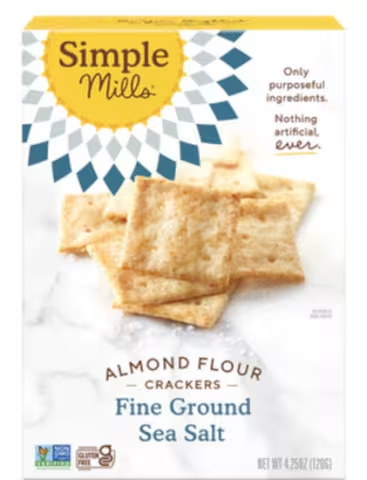
Simple Mills Sea Salt Almond Flour Crackers
Nut and Seed Flour Blend Tapioca Starch Cassava Flour Organic Sunflower Oil Rosemary Extract