
Fully Hydrogenated Oil
Biological Impact & Mechanism
Lipid Neutrality: Stearic acid, the main component of FHO, is rapidly converted by the liver into oleic acid (a monounsaturated fat). Consequently, it does not have the same aggressive impact on blood lipid profiles as trans fats.
Digestive Efficiency: Because it is very hard and has a high melting point (approx. 140°F), pure FHO is difficult for the body to emulsify and digest on its own. It effectively acts as a "structural filler" in the digestive tract.
Cellular Structure: Unlike trans fats, the saturated fats in FHO are recognized by the body and used for energy or cellular membrane reinforcement, though they lack the signaling benefits of ancestral fats.
Historical & Common Use
Full hydrogenation was developed alongside partial hydrogenation in the early 1900s. Originally, it was used primarily in the soap and candle-making industries because the resulting fat was too hard to eat. Its use in the food supply accelerated after 2006, when mandatory trans-fat labeling began, as it allowed manufacturers to keep the structural benefits of solid fats while claiming "0g Trans Fat" on the label.
Consumer Sentiments
Consumer Reports of Health Effects and Symptoms
Direct symptoms from FHO are rare because it is consumed in small amounts as a stabilizer. However, consumers of products high in FHO-blends report:
Waxy Mouthfeel: A film-like coating on the tongue and palate.
Slow Digestion: A feeling of "heaviness" or prolonged fullness.
Blood Sugar Spikes: Generally attributed to the refined flours/sugars that FHO is typically paired with in baked goods.
FDA & Other Regulatory Authorities
FDA (USA): Unlike partially hydrogenated oils, FHO remains GRAS (Generally Recognized As Safe). As of the June 2018 ban on trans fats, FHO became the industry-standard "safe" alternative for solidifying vegetable oils.
EFSA (EU): As of 2019, EFSA confirmed that fully hydrogenated oils do not contribute to trans-fat intake. They are permitted for use in the EU provided they meet purity standards (<1% trans fat).
WHO Western Pacific: Under the REPLACE action package (active as of 2018-2023), the WHO encourages the replacement of trans fats with polyunsaturated fats first, but recognizes fully hydrogenated oils as a technically viable (though less preferred) alternative for structural fats.
USDA: FHO is permitted in meat and poultry products as a processing aid or stabilizer, provided it is declared on the ingredient statement.
The PurePath™ Standard Swap
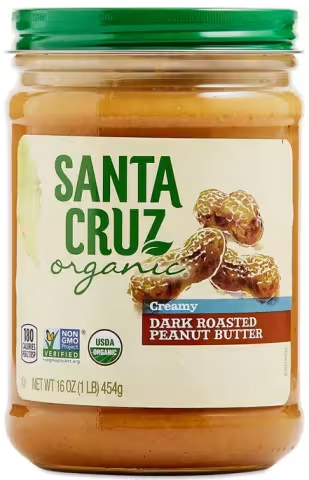
Santa Cruz Organic (Dark Roasted) Creamy Peanut Butter
Organic Roasted Peanuts Salt