
Enriched Bleached Wheat Flour
Biological Impact & Mechanism
Alloxan Production: A byproduct of the bleaching process (specifically when using chlorine gas) is the formation of Alloxan. In laboratory settings, alloxan is used to induce diabetes in test animals because it selectively destroys pancreatic beta cells. While levels in flour are regulated, chronic exposure is a significant concern for metabolic health.
Insulin Hyper-secretion: The lack of bran and germ means the starch is converted to sugar instantly, forcing the pancreas to overproduce insulin, which promotes fat storage and systemic inflammation.
Mineral Sequestration: Synthetic iron (reduced iron) added during enrichment can interfere with the absorption of other minerals and may promote the growth of pathogenic bacteria in the colon.
Gluten Sensitization: The chemical alteration of wheat proteins during bleaching may render the gluten more difficult for the human digestive system to recognize and break down, potentially contributing to non-celiac gluten sensitivity.
Processing & potential Hexane Impact
Low Direct Risk: Hexane is not used to bleach flour.
The Glyphosate Factor: The primary safety precaution is recognizing that conventional wheat is often sprayed with Glyphosate as a desiccant just days before harvest. Because bleaching agents can interact with pesticide residues, choosing Organic Unbleached alternatives is the only way to avoid this chemical synergy.
Chlorination: Flour is exposed to chlorine gas, which whitens it and changes the starch granules to allow them to hold more water and fat (essential for "high-ratio" cakes).
Benzoyl Peroxide: A common bleaching agent that breaks down the yellow carotenoids in flour. It is the same chemical used in acne medication, and its use in food is purely for Visual Deception.
Nutrient Strip-Mining: The mechanical extraction (roller milling) is so aggressive that it removes 80% of the fiber, 75% of the vitamins, and 90% of the minerals, necessitating the "Enrichment" mask to make the product legally marketable as "flour."
Historical & Common Use
Bleaching became popular in the early 20th century. Naturally aged flour takes weeks to whiten and improve in baking quality; chemical bleaching allows millers to achieve the same result in hours. Despite early pushback from the first FDA chief, Dr. Harvey Wiley, who fought to ban bleached flour as "adulterated," the industry successfully lobbied to keep it. Today, it is the foundational ingredient in roughly 80% of commercial baked goods, cookies, and crackers.
Consumer Sentiments
Consumer Reports of Health Effects and Symptoms
Consumers shifting away from bleached flour frequently report:
Reduced Inflammation: Less joint pain and "puffiness" in the face and extremities.
Stable Energy: The elimination of the "mid-morning crash" associated with refined flour breakfasts.
Digestive Clarity: Reduction in chronic bloating and "heavy" stomach sensations.
Skin Improvement: Notable reduction in inflammatory acne and redness.
FDA & Other Regulatory Authorities
FDA (USA): Allows various bleaching agents (21 CFR 137.105), including Benzoyl Peroxide and Chlorine Gas. The FDA maintains that these are safe at "functional levels."
EFSA (Europe): Notably more restrictive. The EU has banned the use of Chlorine Gas (E925) as a flour treatment agent due to safety concerns, meaning European "white flour" is naturally aged or uses much milder processes compared to US versions.
WHO: While focusing on the benefits of "Enrichment" for global nutrition, the WHO acknowledges that highly refined carbohydrates are a driving factor in the global obesity and type-2 diabetes epidemic.
The PurePath™ Standard Swap
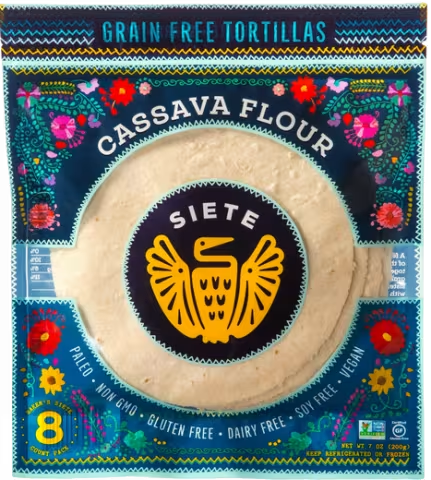
Siete Cassava Flour Tortillas
Cassava Flour Coconut Flour Coconut Oil Apple Cider Vinegar Sea Salt