
Corn Oil
Biological Impact & Mechanism
Corn oil’s biological impact is primarily seen in the cell membrane and inflammatory pathways. When consumed in large quantities, linoleic acid replaces more stable fats in the cell lipid bilayer, making the cells more susceptible to oxidative stress. Furthermore, it acts as a precursor to pro-inflammatory eicosanoids. High consumption is linked to increased markers of systemic inflammation, such as C-reactive protein (CRP), and may contribute to the oxidation of LDL cholesterol, which is a key step in the development of atherosclerosis.
Historical & Common Use
Corn oil was not a significant part of the human diet until the late 19th and early 20th centuries. Before this, corn was consumed as a whole grain. With the invention of the expeller press and later solvent extraction in the early 1900s, manufacturers found they could profit from the "waste" germ of the corn milling process. Its use exploded in the mid-20th century as it was promoted by the American Heart Association and other groups as a replacement for "dangerous" saturated animal fats.
Consumer Sentiments
Consumer Reports of Health Effects and Symptoms
Consumers who reduce or eliminate corn oil often report improvements in:
Joint Pain: Reduction in systemic inflammation often alleviates chronic "achy" joints.
Digestive Issues: Bloating and "heavy" feelings after meals are common complaints associated with fried foods cooked in corn oil.
Skin Clarity: Reports of "seed oil acne" or inflammatory skin flushing are frequently linked to high Omega-6 intake.
FDA & Other Regulatory Authorities
FDA Status: Corn oil is classified as GRAS (Generally Recognized As Safe). The FDA allows "Qualified Health Claims" for corn oil, stating that it may reduce the risk of heart disease when replacing saturated fat, provided it does not increase total daily calories.
USDA Status: The USDA subsidizes corn production heavily, making corn oil one of the cheapest fats available for industrial food production. It is a major component of the USDA's commodity programs, used in school lunches and food assistance programs globally.
The PurePath™ Standard Swap
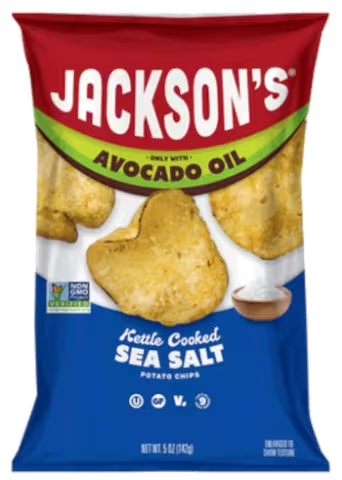
Jackson's Sea Salt Avocado Oil Potato Chips
Avocado Oil Sea Salt
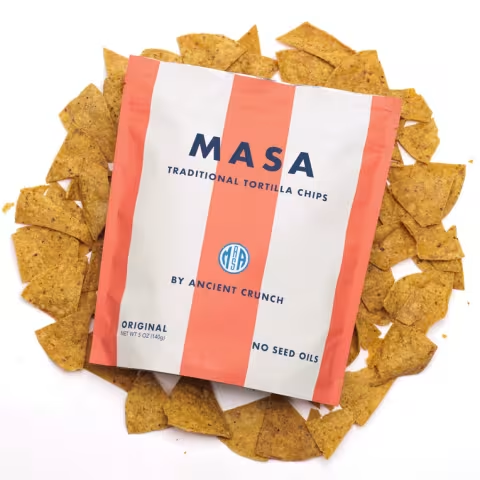
MASA Beef Tallow Tortilla Chips (Sea Salt)
Organic Corn Grass-Fed Tallow Sea Salt