
Canola Oil
Biological Impact & Mechanism
Inflammatory Response: Canola has a high Omega-6 to Omega-3 ratio compared to ancestral diets. Overconsumption of Omega-6 can lead to systemic inflammation and the production of pro-inflammatory cytokines. The high Omega-6 to Omega-3 ratio in refined canola (roughly 2:1, but often altered by heat) can contribute to systemic inflammation if not balanced by other fats.
Oxidative Stress: When consumed, the oxidized byproducts (lipid peroxides) of heated Canola oil can damage cell membranes and DNA, contributing to the aging process and chronic disease.
Metabolic Slowdown: Some animal studies suggest that the consumption of highly processed seed oils can interfere with thyroid function and mitochondrial efficiency, potentially slowing the metabolic rate over decades of use.
Neurological Concerns: Some animal studies have suggested that chronic canola oil consumption may negatively impact memory and increase plaque formation in the brain.
Insulin Sensitivity: While marketed as "heart healthy," some research indicates that the oxidized fats in refined oils may contribute to oxidative stress in the liver, potentially impacting metabolic flexibility.
Lipid Peroxidation: Because it is rich in polyunsaturated fats (PUFAs), it is highly unstable; when used for deep frying, it breaks down into toxic aldehydes.
Hexane Impact & Precautions
Extraction Method: Extraction Method: Over 90% of canola oil is produced using a chemical solvent, specifically hexane. While the oil is "steam-stripped" and refined to remove this solvent, trace residues (approximately 1 mg/kg) may remain.
Safety Precautions:
Consumer: Seek out "Expeller-Pressed" or "Cold-Pressed" labels to ensure the oil was extracted mechanically without hexane.
Storage: Because canola is prone to rancidity, keep it in a cool, dark place. If the oil smells slightly "fishy," it has oxidized and should be discarded.
Historical & Common Use
Rapeseed oil was used in the 19th century to lubricate steam engines because it stuck to wet metal better than other oils.
Consumer Sentiments
Consumer Reports of Health Effects and Symptoms
Reported issues from consumers sensitive to highly refined seed oils include:
Digestive: Nausea, "greasy" indigestion, and bloating.
Neurological: "Brain fog" and lethargy, often reported after consuming restaurant foods fried in canola.
Inflammatory: Joint stiffness and skin flare-ups (like acne or eczema).
FDA & Other Regulatory Authorities
FDA (USA): As of April 2026, the FDA maintains a "Qualified Health Claim" for canola oil, stating that $19\text{g}$ (about 1.5 tablespoons) daily may reduce the risk of coronary heart disease.
EFSA (Europe): Continues to monitor erucic acid levels, keeping the maximum limit at 2.0% in edible oils and even lower (0.4%) for infant formula (as of 2024-2025 updates).
American Heart Association (AHA): Reaffirmed in 2026 that canola oil is a "well-studied, heart-healthy" oil for replacing saturated fats.
The PurePath™ Standard Swap

Simple Mills Sea Salt Almond Flour Crackers
Nut and Seed Flour Blend Tapioca Starch Cassava Flour Organic Sunflower Oil Rosemary Extract
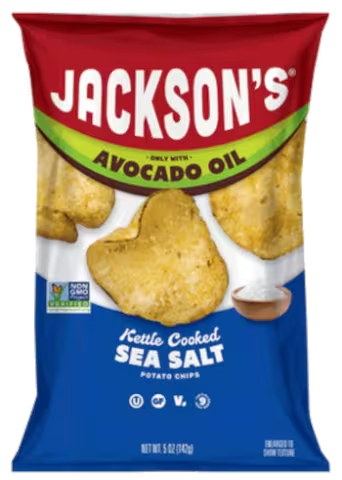
Jackson's Sea Salt Avocado Oil Potato Chips
Avocado Oil Sea Salt
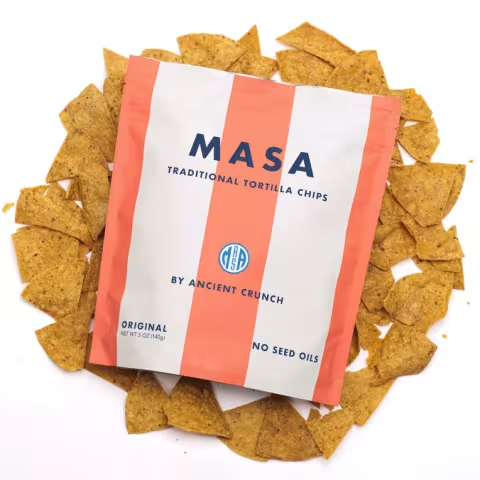
MASA Beef Tallow Tortilla Chips (Sea Salt)
Organic Corn Grass-Fed Tallow Sea Salt